- Hair Transplantation and Treatments
- Hair Transplantation and Treatments for Women
- Hair Transplantation and Treatments Without Shaving
- Beard, Mustache, and Eyebrow Transplantation
- Afro Hair Transplant
- Exosome-Supported Hair Transplantation
- Stem Cell-Supported Hair Transplantation
- PRP-Supported Hair Transplantation
- Scar Grafting
- Sedation Hair Transplant


Stem Cell-Supported Hair Transplantation
Contact our hair specialists for detailed information about stem cell-supported hair transplantation and to create a treatment plan tailored to your specific hair loss condition. We carefully assess your expectations and needs, determine the most suitable method for you, and plan a hair transplantation process that aims for the best and most lasting results.
GET MORE WITH US
About Stem Cell-Supported Hair Transplantation
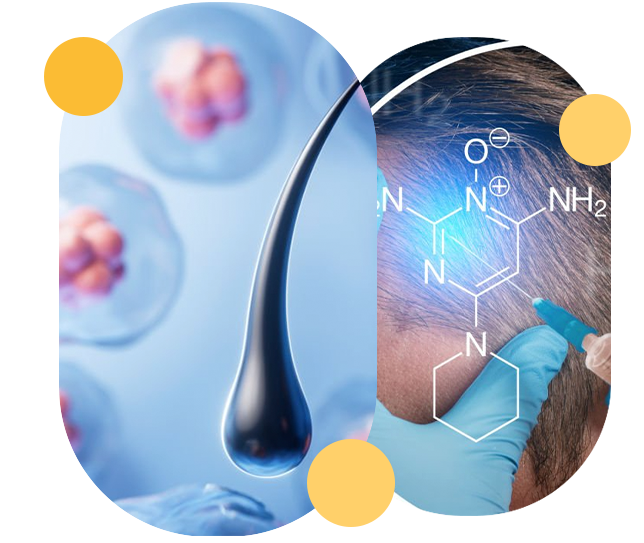
Stem cell-supported hair transplantation is an advanced hair transplant procedure that aims to control hair loss and promote stronger, healthier, and faster growth of transplanted hair follicles. Stem cells support the body's natural regeneration mechanism, helping to revitalize hair follicles and increase the effectiveness of the hair transplant process.
In this method, stem cell content is applied to the scalp along with the hair transplant, supporting the graft's secure attachment. Thanks to the restorative and regenerative effect of stem cells, hair strands gradually become fuller, livelier, and more resilient. With proper planning and expert application, stem cell-supported hair transplantation offers long-term and natural results.
IT'S THAT SIMPLE
Stages of Stem Cell-Supported Hair Transplantation
Hair Transplant Turkey Operation Process

Hair Jungle offers hair transplant services in Turkey, combining high-quality standards with affordable prices. Our comprehensive treatment packages, tailored specifically for our patients, include the hair transplant procedure, necessary medications, medical shampoos and lotions, 5-star hotel accommodation, VIP airport transfers, and city transportation services.
Your hair transplant journey begins when you contact us via phone or social media channels. Following the initial consultation, Hair Jungle's experienced hair transplant specialists will thoroughly analyze the photos you send and present you with the most suitable treatment methods and a personalized price quote.
From the moment you arrive in Turkey for your hair transplant procedure, the Hair Jungle team will be with you throughout the entire process. After you return to your country, our post-operative care and follow-up team will regularly monitor your recovery process and continue to provide the necessary guidance.
HOW WE DO IT
Hair Transplant Stages
Answers to important questions on our customers' minds.
What is the Most Suitable Age Range for Hair Transplantation?
Based on scientific data, there is no age limit for hair transplantation. For example, hair transplantation is medically necessary for a child who has lost part of their hair in any way (such as due to burns or accidents).
The first stage of the operation is planning. Taking planning into account, when evaluating hair transplantation specific to the individual, the first question to be answered is whether hair loss is continuing.
If you have hair transplanted while your hair is still in the process of falling out, a few years later, you will see bald spots in the areas where you once had hair but have now lost. This will mean re-transplantation and new costs.
Is hair transplantation performed using hair follicles taken from another person?
Every person has their own unique genetic code. Therefore, when hair follicles are transplanted from another person, the body encounters that person’s genetic code and rejects it. Consequently, hair transplantation cannot be performed using hair follicles taken from another person.
When Can I Start Exercising Again?
The first 20 days after hair transplantation are the most sensitive period. It is recommended not to exercise during this period. After the 20th day, you can start exercising with light cardio movements. You can fully resume exercise after one month.
Are Hair Transplant Results Permanent?
This question is one of the most frequently asked questions by people who want to have hair transplants. The transplanted hair is completely permanent because it is taken from an area that is genetically programmed not to fall out (except in cases of hair disease, chemotherapy, medication use, etc.).
The area from which your hair is taken is called the donor area. The donor area is the area covering the back of the head and the upper part of the ears. Generally, the donor area is genetically programmed not to fall out. Therefore, your transplanted hair will last a lifetime.
How Long Does the Hair Transplant Procedure Take?
The hair transplant procedure takes an average of 6 to 9 hours, depending on the number of staff working on the team and the number of grafts to be transplanted.
Will I be conscious during the hair transplant procedure?
Hair transplant procedures at our clinic are performed under local anesthesia. This means that during the procedure, you can listen to music, watch a movie, or use your phone if you wish.
Do Hair Transplant Results Look Natural?
The hairline is drawn based on the forehead muscle structure of the person undergoing hair transplantation before the operation. This is the first step taken to achieve a natural look.
Everyone’s hair direction is different. It is very important for the specialist who will open the channels where the roots will be placed to determine these directions correctly, and this requires a high level of knowledge and experience. A natural look is achieved by drawing the hairline, opening the channels in the right direction, and performing a dense transplant.
Is there a possibility that the transplanted hair will not grow?
Yes, there is a possibility, albeit very low. After October, the patient must pay close attention to their lifestyle. They must eat a natural diet, get regular sleep, and avoid harmful habits.
Is Hair Transplantation Performed During the Summer Months?
Hair transplantation can be performed in all 12 months of the year. However, when performed during the summer months, there may be factors that can compromise the individual’s comfort. These factors include itching, sweating, not being able to use the sea or pool for a month, and being exposed to high UV rays in very hot weather. Apart from this, the transplanted hair grows healthily, just as if it had been transplanted in the winter.
When Will My Hair Start Growing Back?
Hair begins to shed 15 days after transplantation. This shedding process is completed within one month. In some individuals, a certain portion may grow without shedding, and in very rare cases, hair may begin to grow without any shedding at all.
After the one-month shedding period, the individual returns to their previous appearance within the first two months. The transplanted hair begins to grow slowly from the third month onwards. It reaches a visible fullness between 6 and 8 months.
During this period, a density ratio of around 60-70% is achieved. It takes a year for all the hair to grow. It takes 1.5 years for the crown area to be fully completed.
What is the Success Rate of Hair Transplantation?
The hair transplant center, which has an expert and experienced team, achieves a root retention rate of 95-98% in its transplants. However, maintaining a high success rate after hair transplant surgery also depends somewhat on the individual’s care and diligence. This rate may also vary depending on the individual’s physiology, genetics, and root structure.
Will I Feel Pain During the Hair Transplant Procedure?
With the advancement of technology today, the pain associated with hair transplant surgery is gradually decreasing. Currently, this pain is minimal, almost negligible. You may feel some tension on your scalp during the procedure.
Since the pain threshold varies from patient to patient, some people describe this tension as mild pain, while most of our patients report feeling almost no discomfort.
My Hair Is Falling Out Heavily. Can I Get a Hair Transplant?
If you undergo hair transplantation while your hair is in the shedding phase, you will see bald patches appear in a few years in the areas where you had hair at the time but have now lost.
During this shedding phase, it would be best to control hair loss by applying PRP and mesotherapy treatments instead of transplantation. Hair transplantation can be performed again after re-evaluation once the post-treatment shedding rate has returned to normal levels.